We’re Employee Owned and B Corp certified!
When Randolph Hill came to us with a brief for their second ever TV campaign, we created a POV film that opened people’s eyes to the complexities of caring for a loved one.
Insight
Caring for a loved one can be overwhelming and isolating, especially if you’re doing it alone. You often take on many roles which can completely change your relationship with them.
Randolph Hill wanted to address this, offering help to those who need it. A sensitive subject deserved a sensitive approach, so we leaned into their brand sentiment and spoke directly to those caring for a loved one, showing them that Randolph Hill really does care the way they do.
Idea
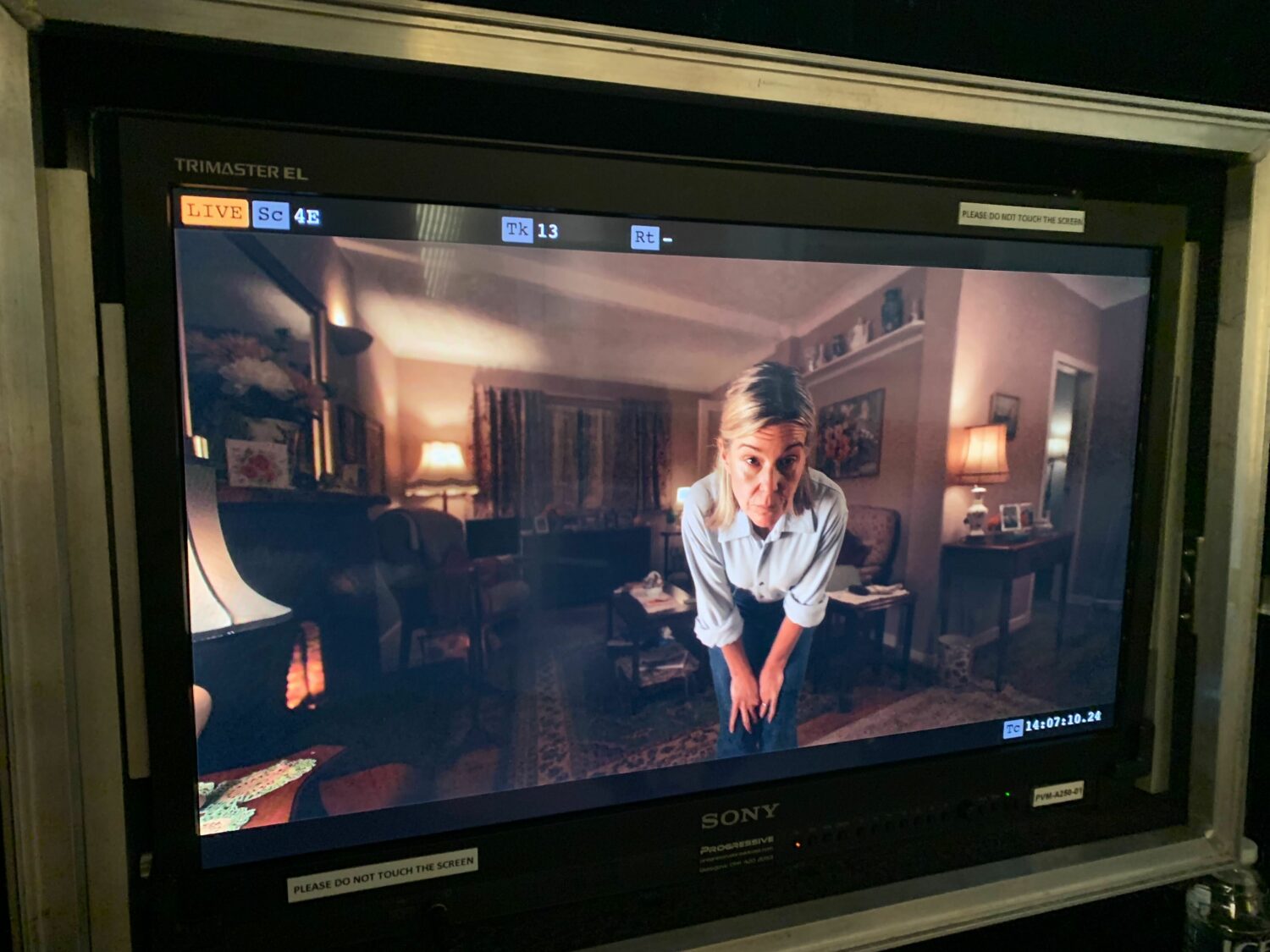
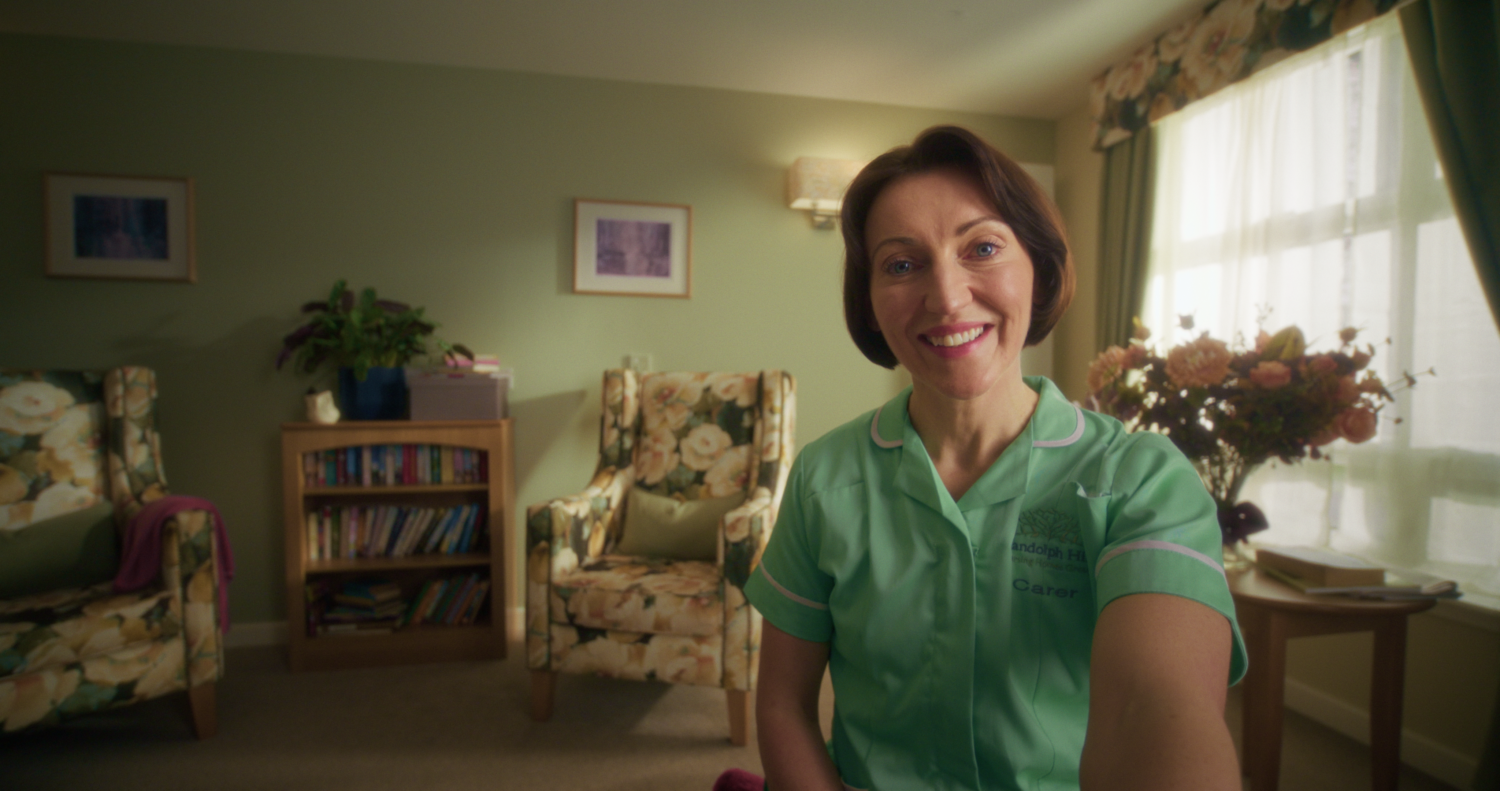
From this, we created a striking POV campaign that highlights the stark reality of caring for a loved one from the perspective of an elderly parent.
We took real, lived experiences and created a montage that shows the stress this can cause, and the breakdown of the parent-child relationship.
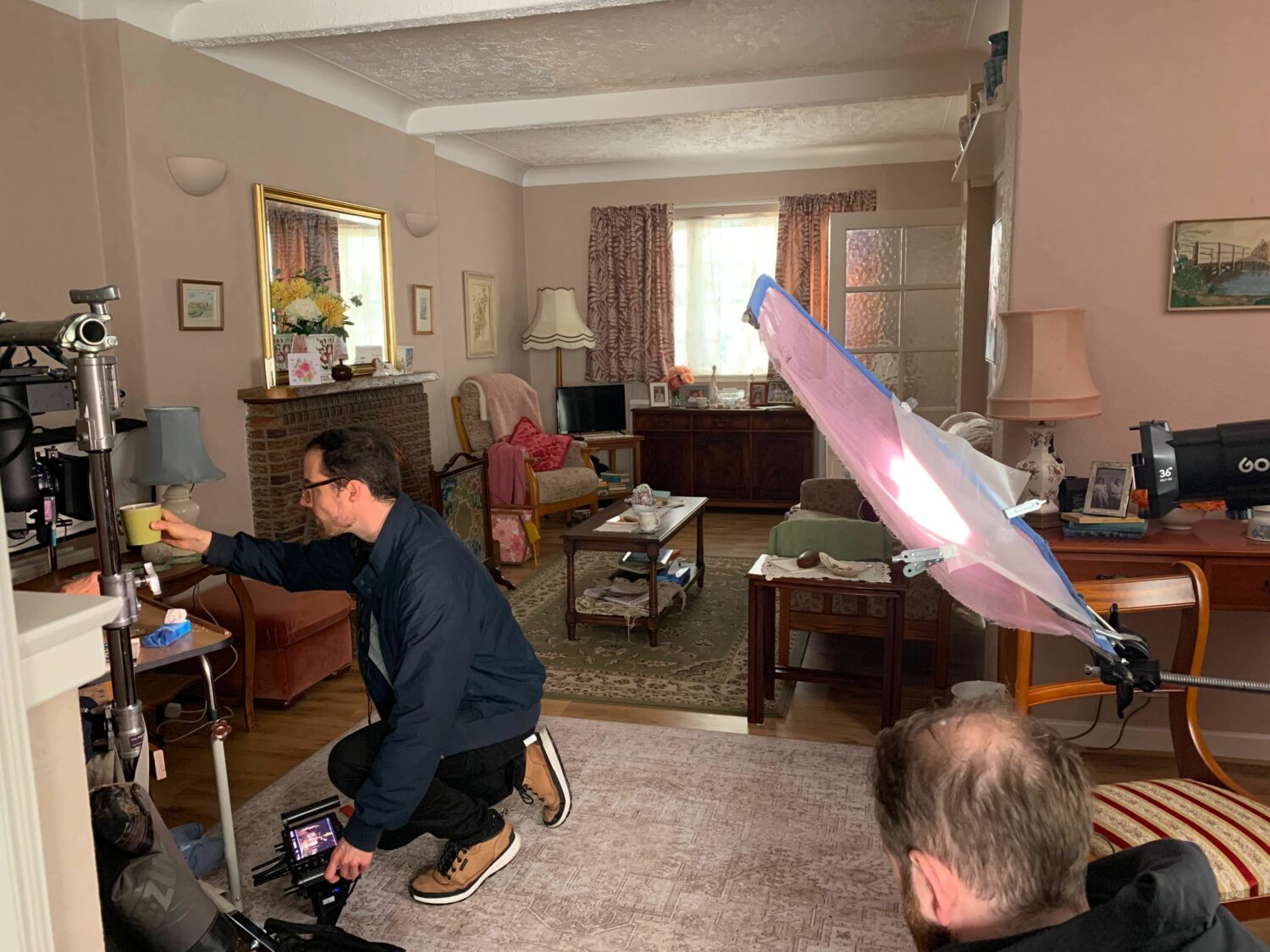
Armed with an impressive camera set up, we shot raw, emotional scenes. Then, using a simple transition, we showed how Randolph Hill can take responsibility for the care of your loved one, so you can be the son, daughter or relative again.
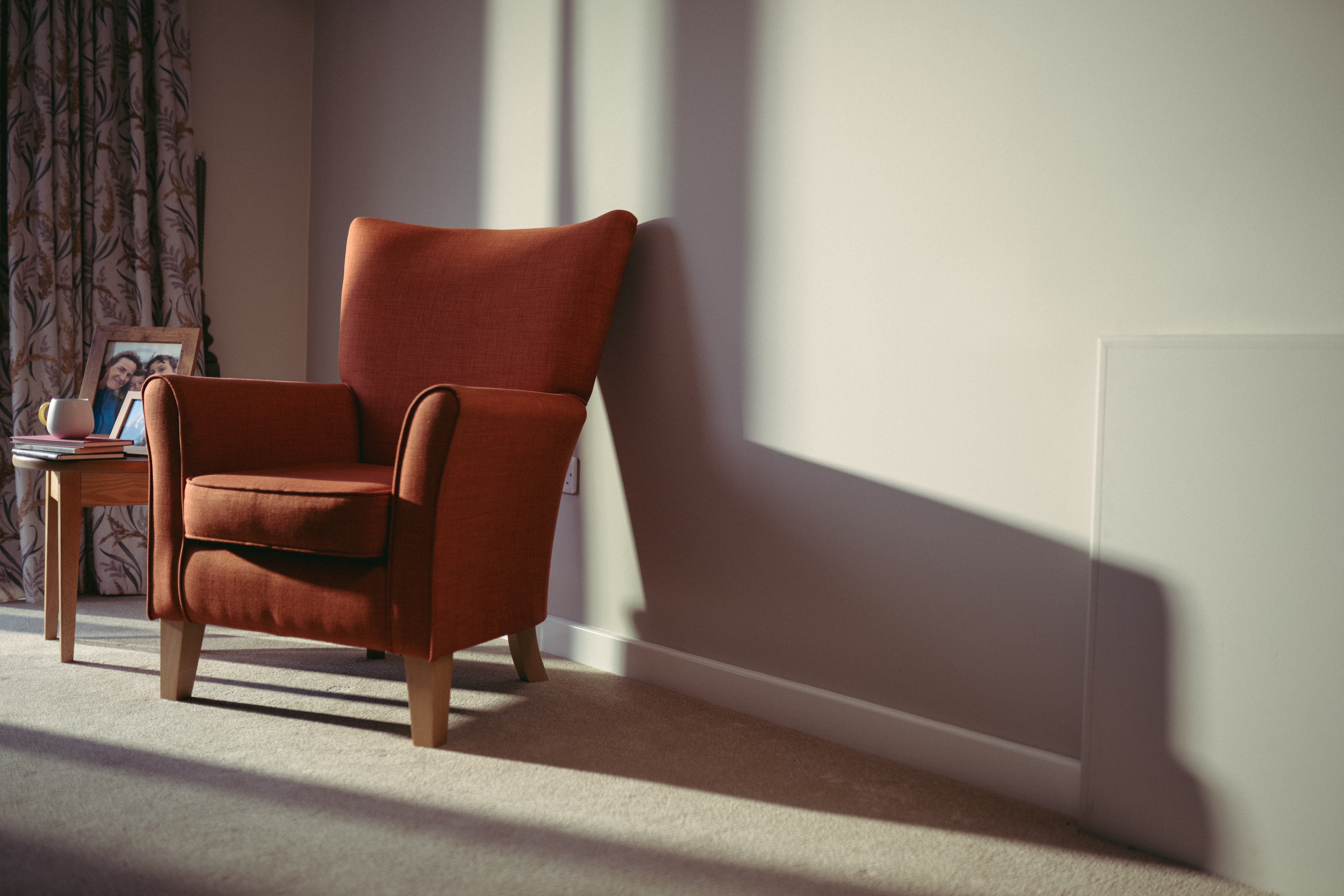
We carried the tone and language of the film across a social campaign too, blending imagery from the TV ad with our own photography of Randolph Hill’s team and residents, further highlighting their quality care and support.
Impact
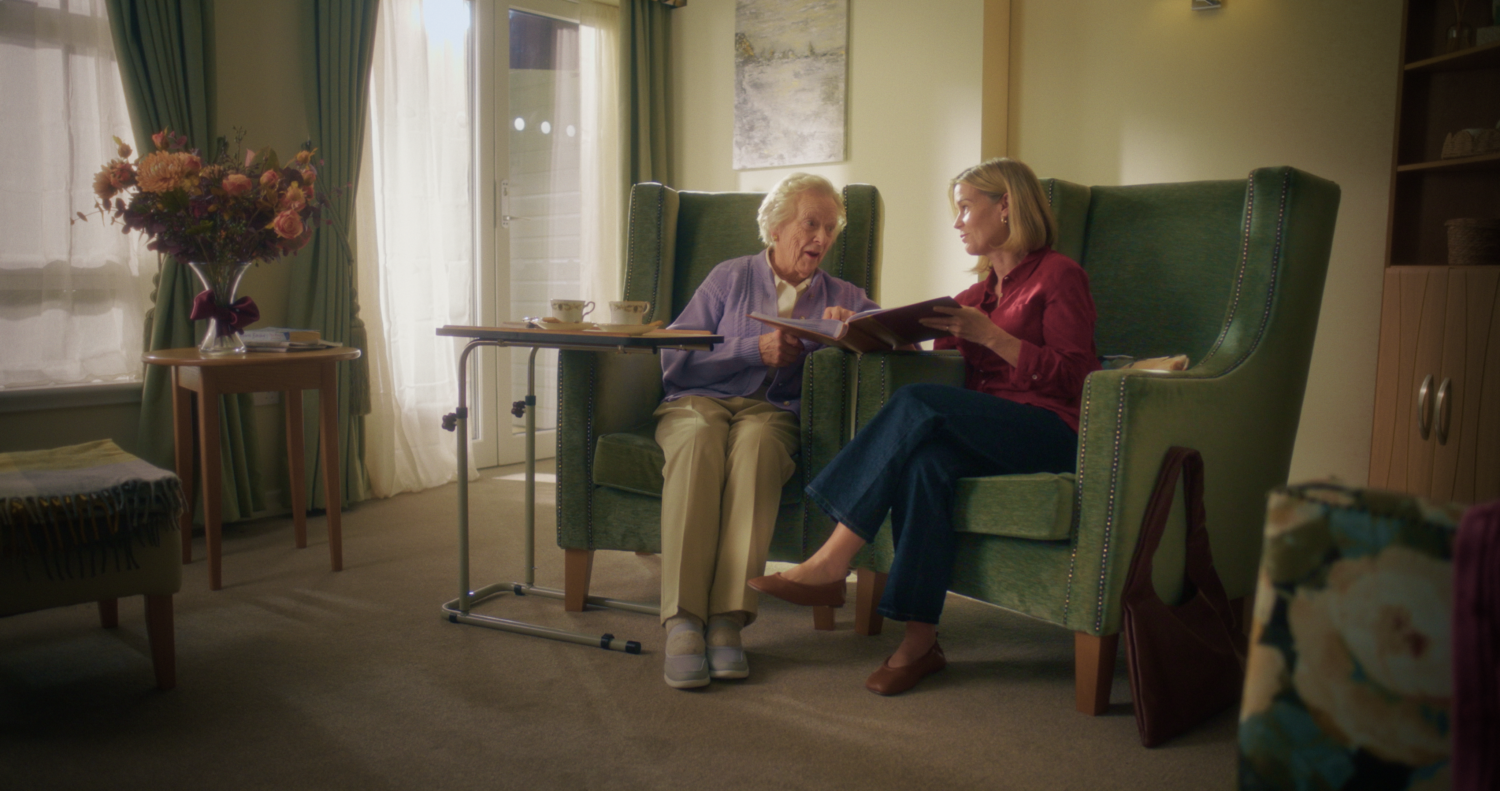
Our TV campaign spoke to viewers on a personal level, inviting them behind closed doors to witness the dynamic of caring for a loved one, and letting them know that Randolph Hill is always here to help.
The response to this campaign has been incredibly positive with people stating that it “reflects the compassionate, person-centred care” that Randolph Hill provides.
These hard-hitting films brought Randolph Hill’s quality care to the forefront and spoke to an audience who often feel they have nowhere to turn.
Turning the hourglass on stroke awareness
View Case Study Turning the hourglass on stroke awareness